IFD Morocco Visit & Quali Program - August 2026
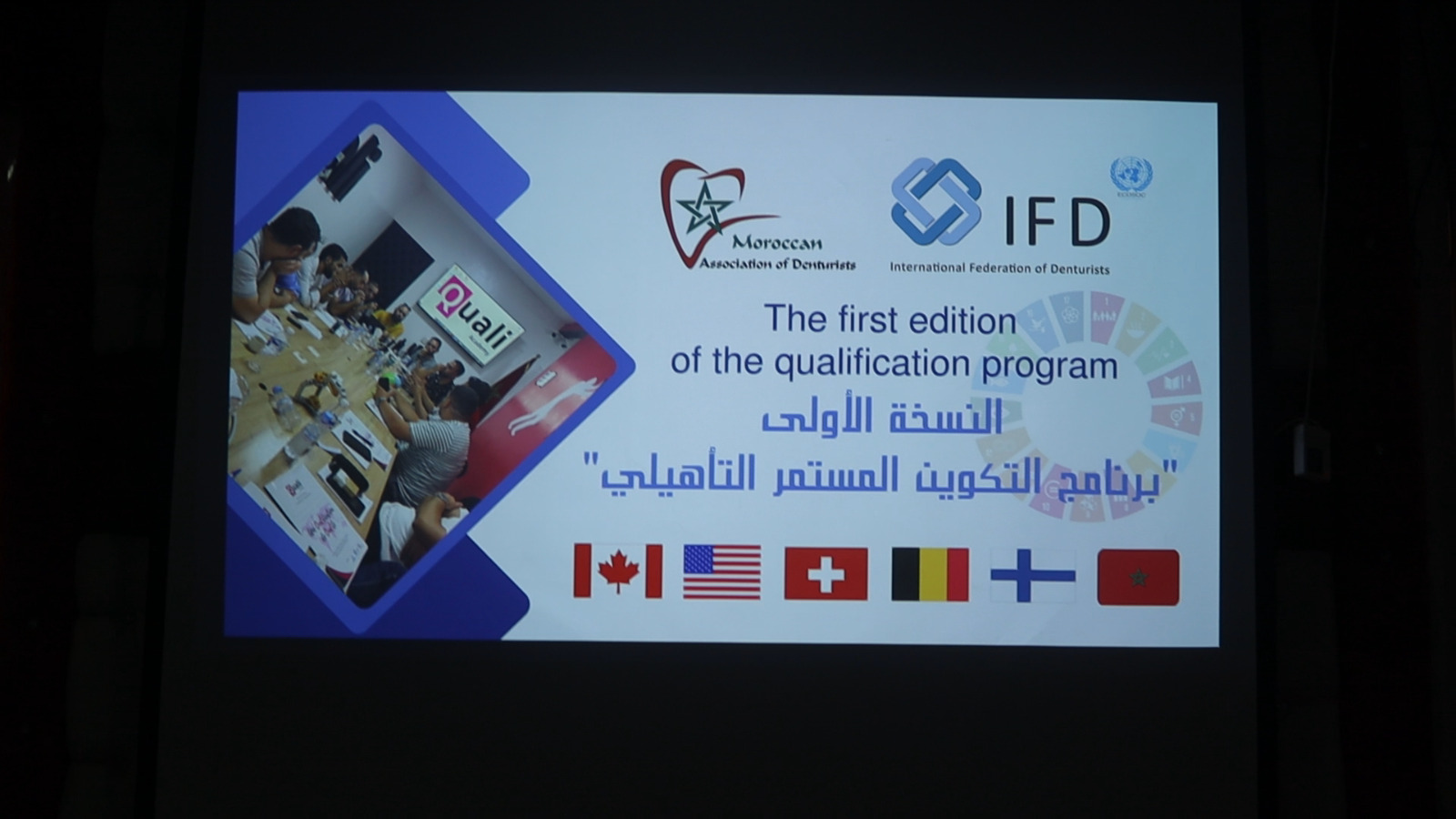
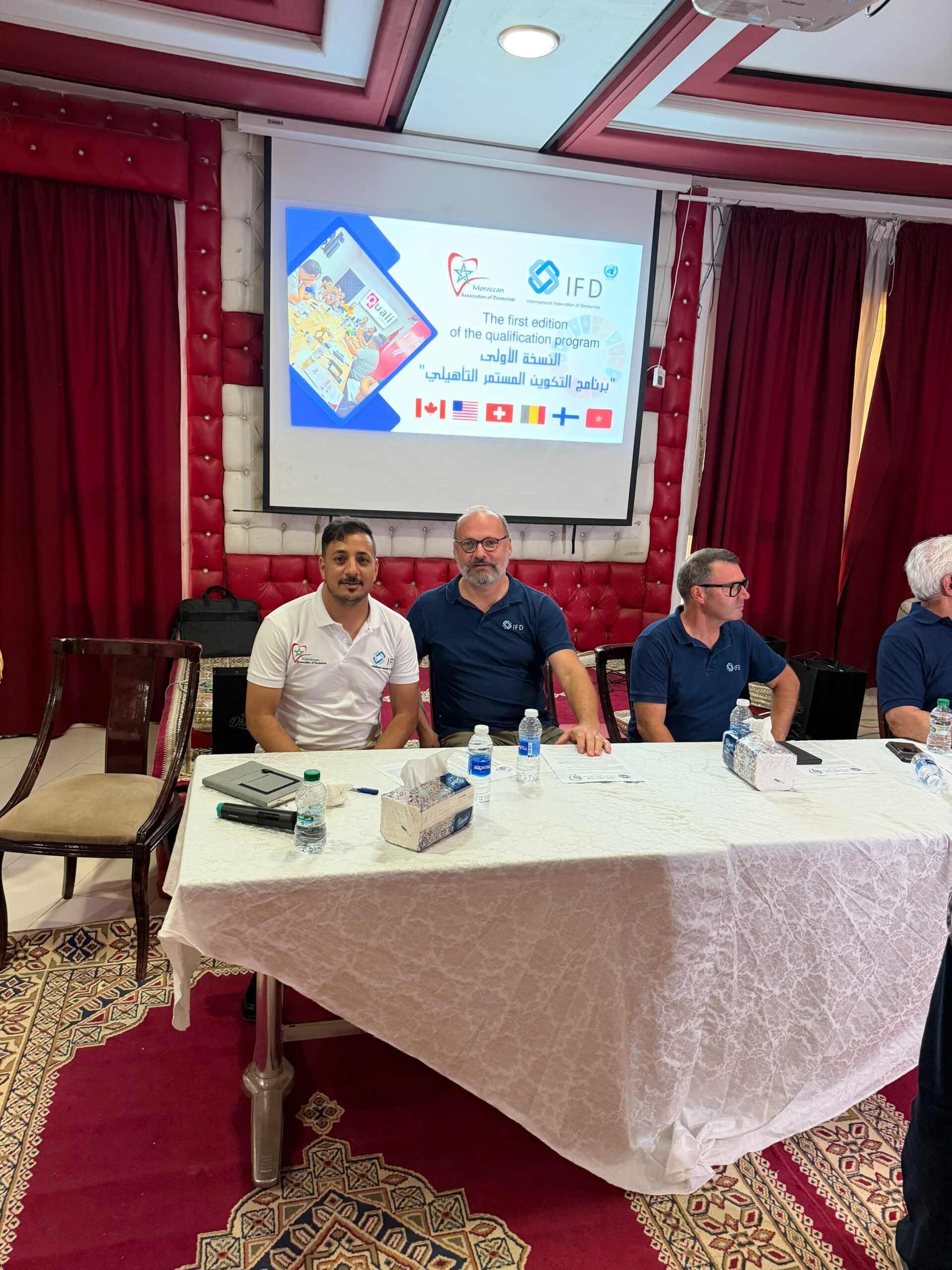
Our visit to Morocco in August 2026 represented an important step in the development of the IFD Quali Program and in strengthening our relationship with the Moroccan denturist community.
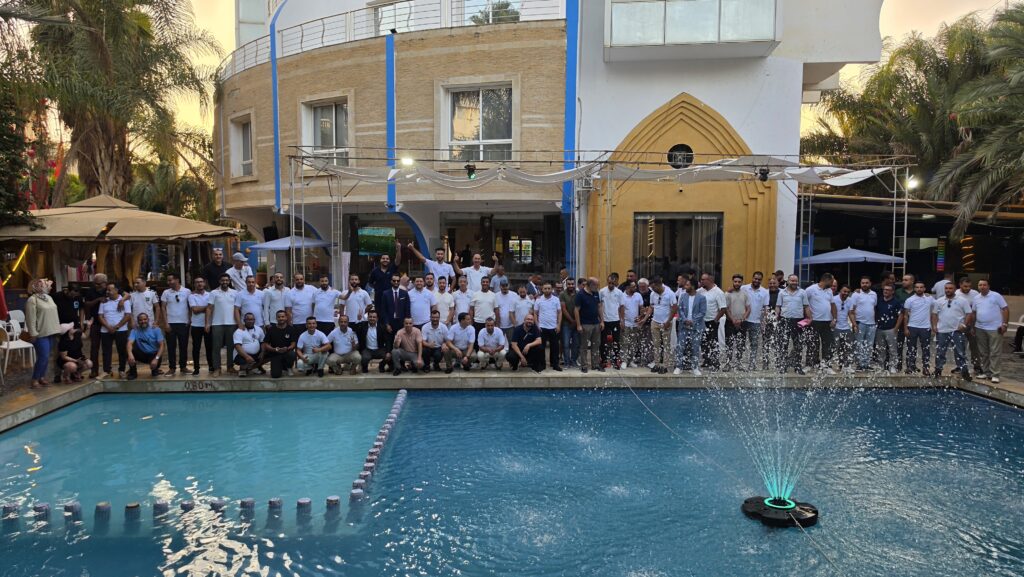
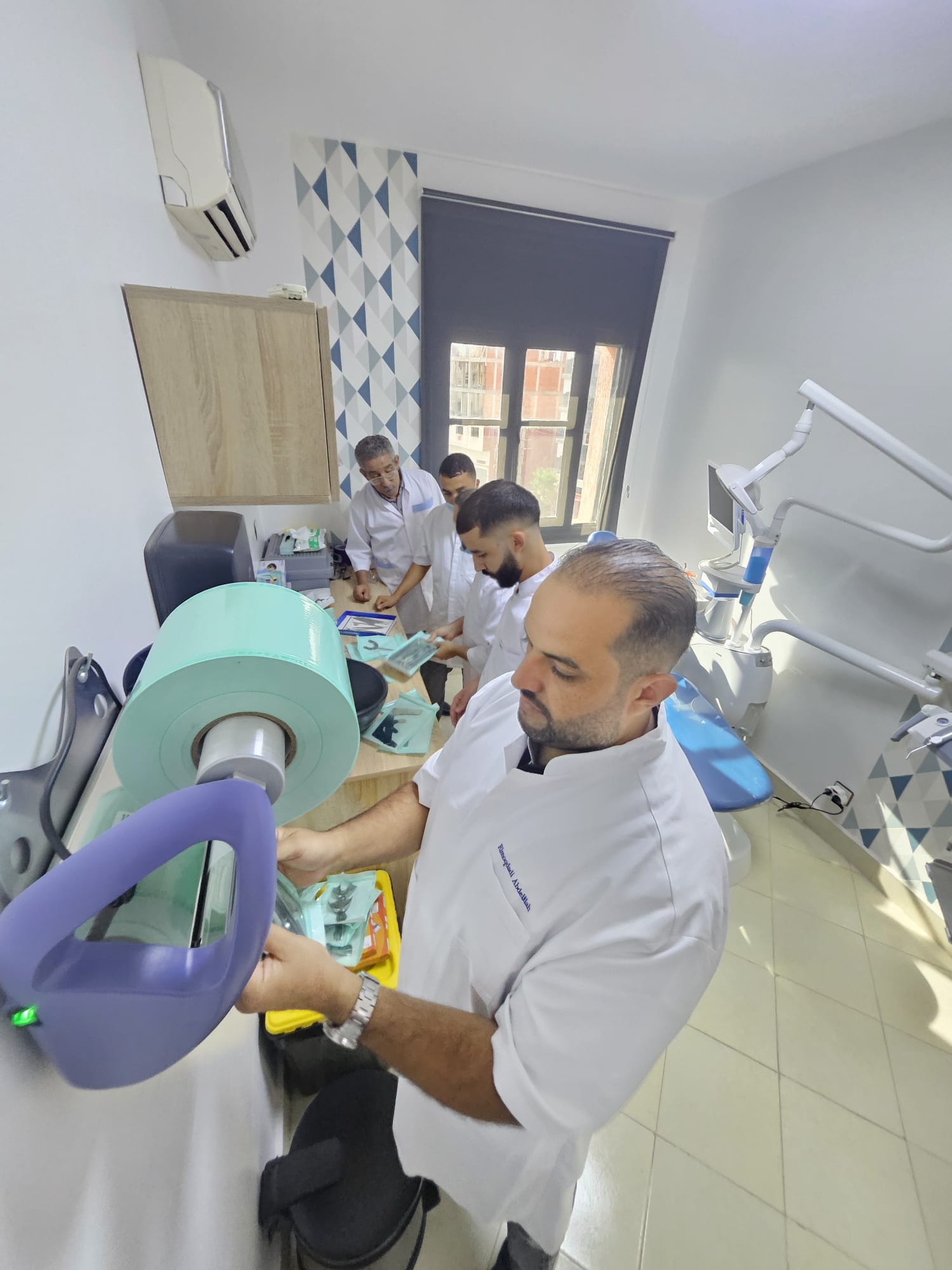
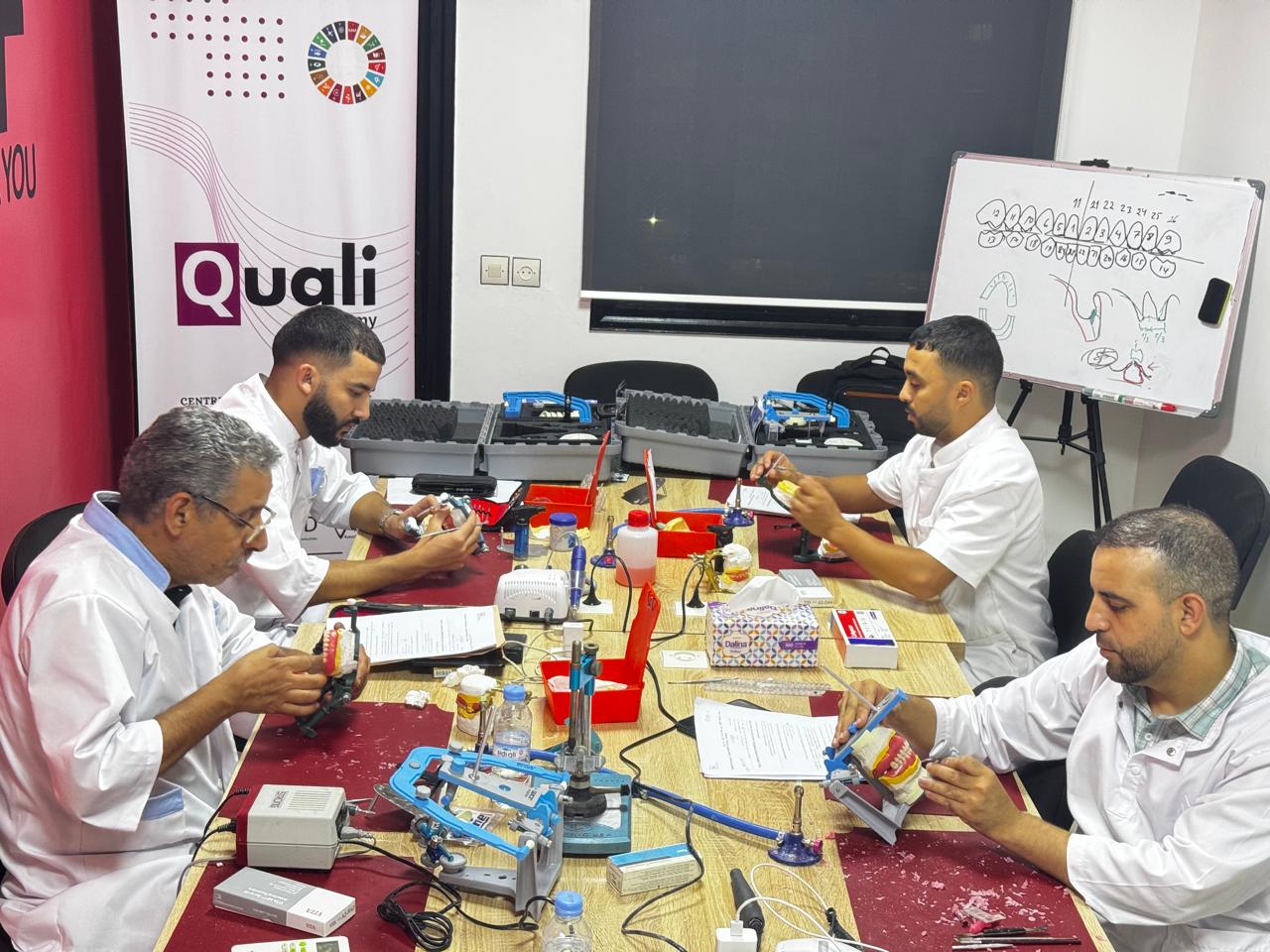
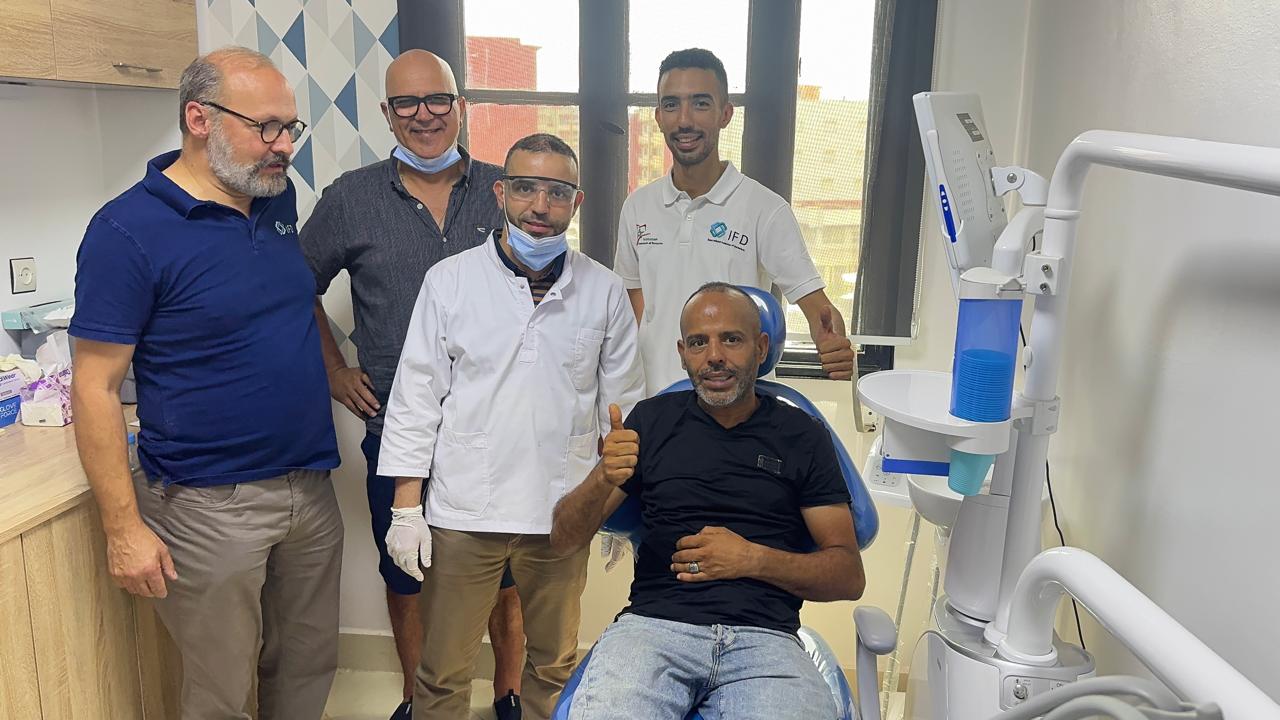
A central purpose of our stay was to observe the progress of the students participating in the Quali Program in Sidi Slimane, including their theoretical and practical assessment. We were impressed by their commitment and motivation. Some participants have travelled considerable distances throughout the program to attend the training sessions, demonstrating a genuine desire to improve their professional knowledge and skills.
The experience confirmed an important principle for the IFD: participation alone is not sufficient; professional competency must be demonstrated through appropriate education and assessment. The combination of theoretical knowledge and practical skills therefore remains fundamental to the credibility of the program.
A Collective Effort
The progress achieved in Morocco is the result of the contribution of many people.
Within the IFD, Ilkka Garaisi, Jamshid Zehtab-Jadid, Juri Koivistoinen and Lenard Deochand have contributed their professional and educational knowledge to the development of the program.
Particular recognition should be given to Jamshid Zehtab-Jadid, Chair of the IFD Education Committee, for his role in maintaining the educational and competency-based principles of the program.
The project has also received the full support of IFD President Urban Christen-Méndez and CEO Marc Simons, who have been closely involved in the relationship between the IFD, the Education Committee and our Moroccan partners.
On the Moroccan side, special recognition must go to El Mahdi Belabbes, delegate of IFD for Morocco and owner of the Quali clinic, whose personal commitment and organisation have been essential to the program, and to Amine Ghabour, our international contact, who has played an important role in communication, coordination and guiding us throughout our stay.
Above all, we should recognise all the students. Without their commitment, willingness to learn and determination to improve their professional competencies, there would simply be no Quali Program.
Hospitality and Our Impression of Morocco
Our stay was characterised by an exceptionally warm welcome. From our arrival until our departure, El Mahdi, Amine, the students and their colleagues took excellent care of us.
They did more than organise the professional part of our visit. They introduced us to Moroccan culture and traditions and gave us the opportunity to experience the country personally. This hospitality helped create an atmosphere of openness and mutual trust, which is extremely valuable for our future cooperation.
We also had the opportunity to spend time in Rabat and Casablanca. Both cities made a very positive impression on us. We experienced Morocco as a clean, welcoming and well-organised country, with good infrastructure, modern facilities and a combination of international standards and Moroccan culture.
Based on what we experienced, Morocco should certainly be considered a worthy and interesting destination for a future IFD Annual General Meeting. Rabat, Casablanca or Marrakech could offer the necessary infrastructure, accessibility, accommodation and meeting facilities, while at the same time giving our international delegates the opportunity to experience Moroccan hospitality and culture.
Such an AGM could also provide an excellent opportunity to further strengthen the relationship between the IFD and the wider Moroccan denturist community.
Meeting the Wider Moroccan Profession
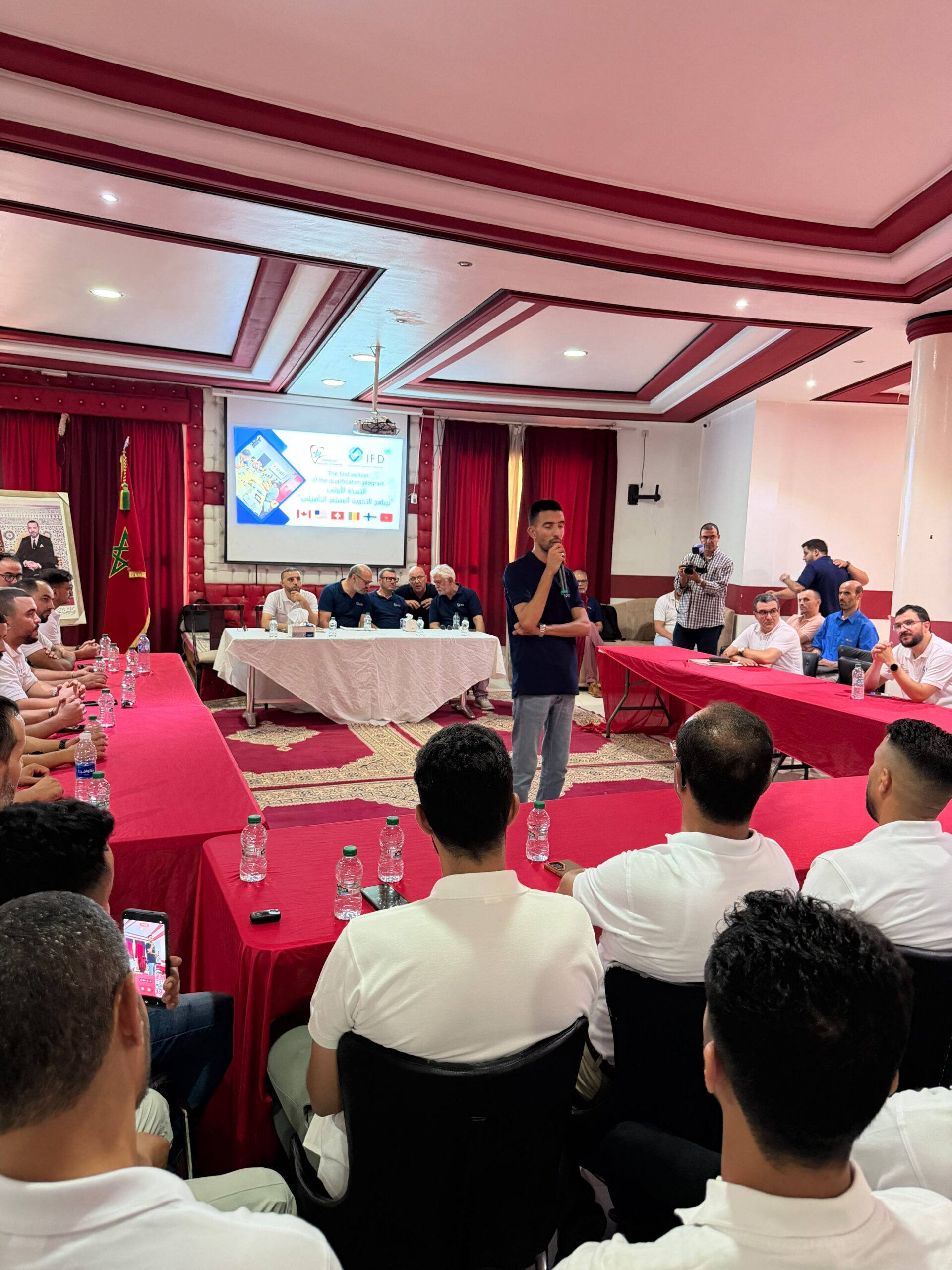
An especially valuable outcome of the visit was that our contacts were not limited to the people directly involved in the Quali Program.
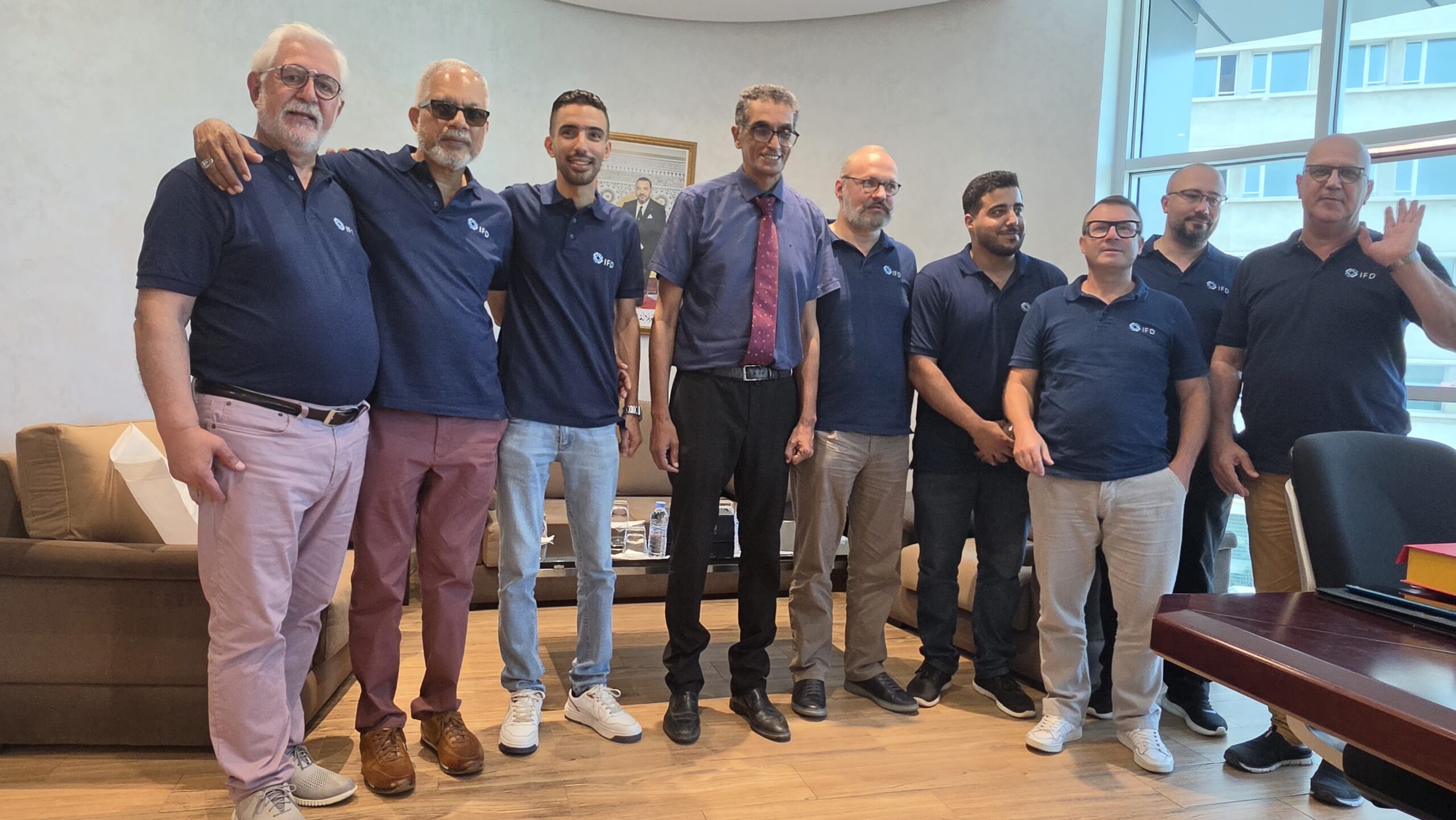
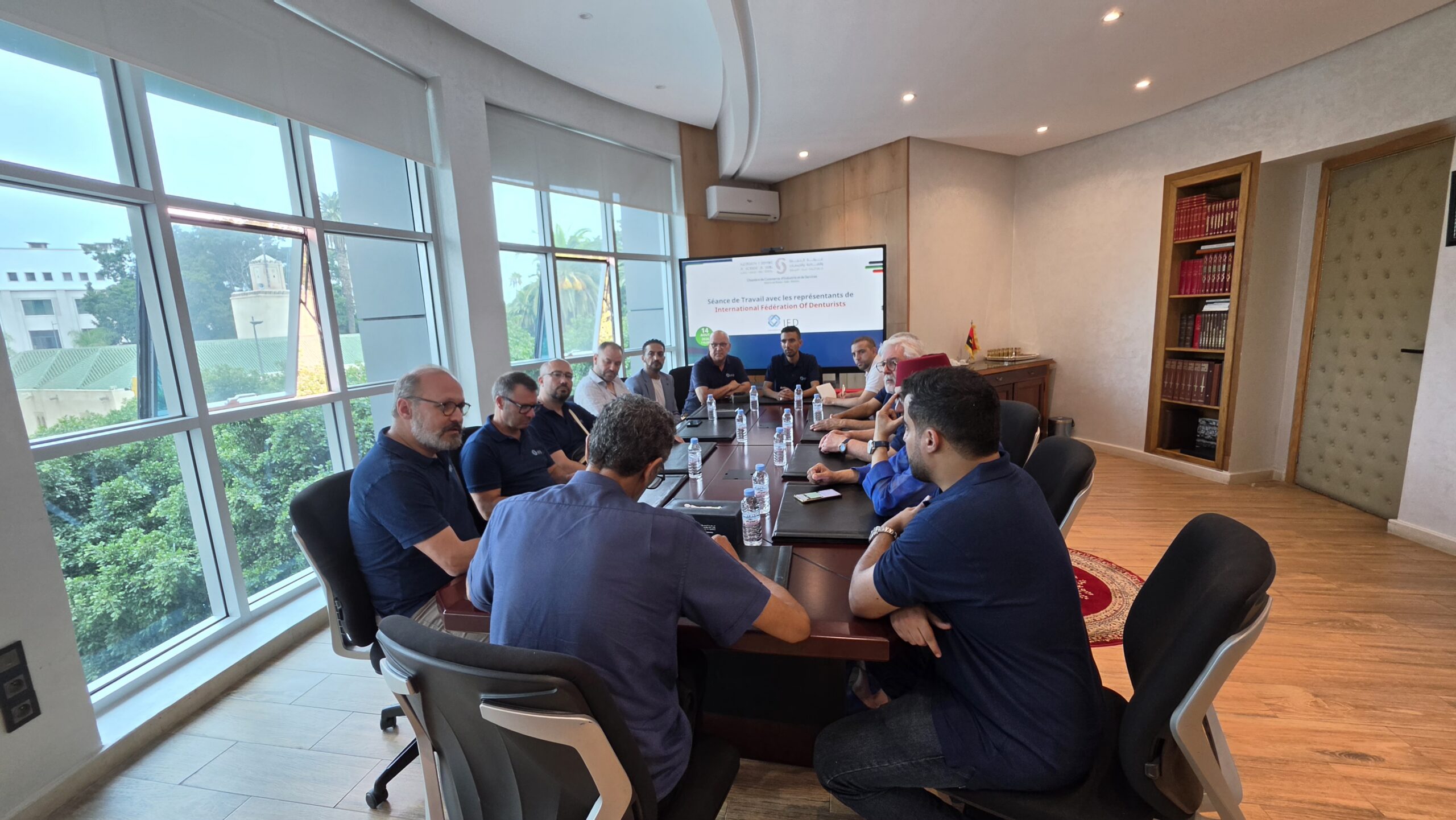
We had the opportunity to meet representatives of three other important organisations within the Moroccan denturist community:
- Mustapha Termam, President of the Fédération Nationale des Denturistes;
- Yassir El Ghalouche, representative of the Syndicat National des Denturistes (UGTM);
- Nabil Hazim, President of the Syndicat National des Denturistes (UMT).
These meetings allowed us to listen to different perspectives and gave us a much broader understanding of the current situation of denturism in Morocco.
For the IFD, this is important. Our role should be constructive and inclusive. We should encourage dialogue between the different organisations and seek common ground around education, professional competency, patient safety and professional standards.
In other words, the IFD should seek to build bridges rather than divisions.
Institutional Contact
We were also fortunate to meet Youssef Antar, Regional Director of the Chambre de Commerce, d’Industrie et de Services (CCIS) de la Région Rabat-Salé-Kénitra.
This was a valuable institutional contact and gave us further insight into the broader environment in which Moroccan denturists operate.
The longer-term development of the profession will require not only education but also constructive dialogue between the professional organisations, institutions and the competent Moroccan authorities.
The position of the IFD must remain clear: we can contribute international experience, educational expertise and professional standards, while legal recognition, regulation and the right to practise remain the responsibility of the Moroccan authorities.
Overall Assessment and Next Steps
The visit confirmed that considerable progress has been made. We saw committed students, dedicated local organisers and a genuine ambition to raise professional standards.
At the same time, we established important new relationships with other Moroccan professional organisations and institutional representatives.
Our immediate priority should now remain focused on Morocco. Together with the Education Committee and our Moroccan partners, we should evaluate the educational content, theoretical and practical assessment, student results and organisation of the program and determine how the Quali Program can be further strengthened.
We should also maintain the broader dialogue that was established during this visit and explore opportunities to bring the different stakeholders closer together.
Conclusion
Our stay in Morocco was much more than an observation of the Quali examinations. It allowed us to see the results of sustained cooperation, meet the students and people behind the program, broaden our contacts within the Moroccan profession and gain a much better understanding of the country itself.
The commitment of El Mahdi Belabbes, Amine Ghabour and the students, combined with the contribution of the IFD Education Committee, Ilkka Garaisi, Jamshid Zehtab-Jadid, Juri Koivistoinen, Lenard Deochand, Urban Christen-Méndez and Marc Simons, has created a strong basis for continued cooperation.
We returned from Morocco with a very positive impression: of the Quali Program, of our Moroccan colleagues and of Morocco as a country.
Our objective should now be to consolidate what has been achieved, continue improving the educational and assessment process, maintain an open dialogue with all relevant Moroccan stakeholders and further strengthen the relationship between the IFD and the Moroccan denturist community.
At the same time, based on the quality of the infrastructure, the hospitality we experienced and our impressions of Rabat and Casablanca, Morocco deserves serious consideration as a location for a future IFD Annual General Meeting.